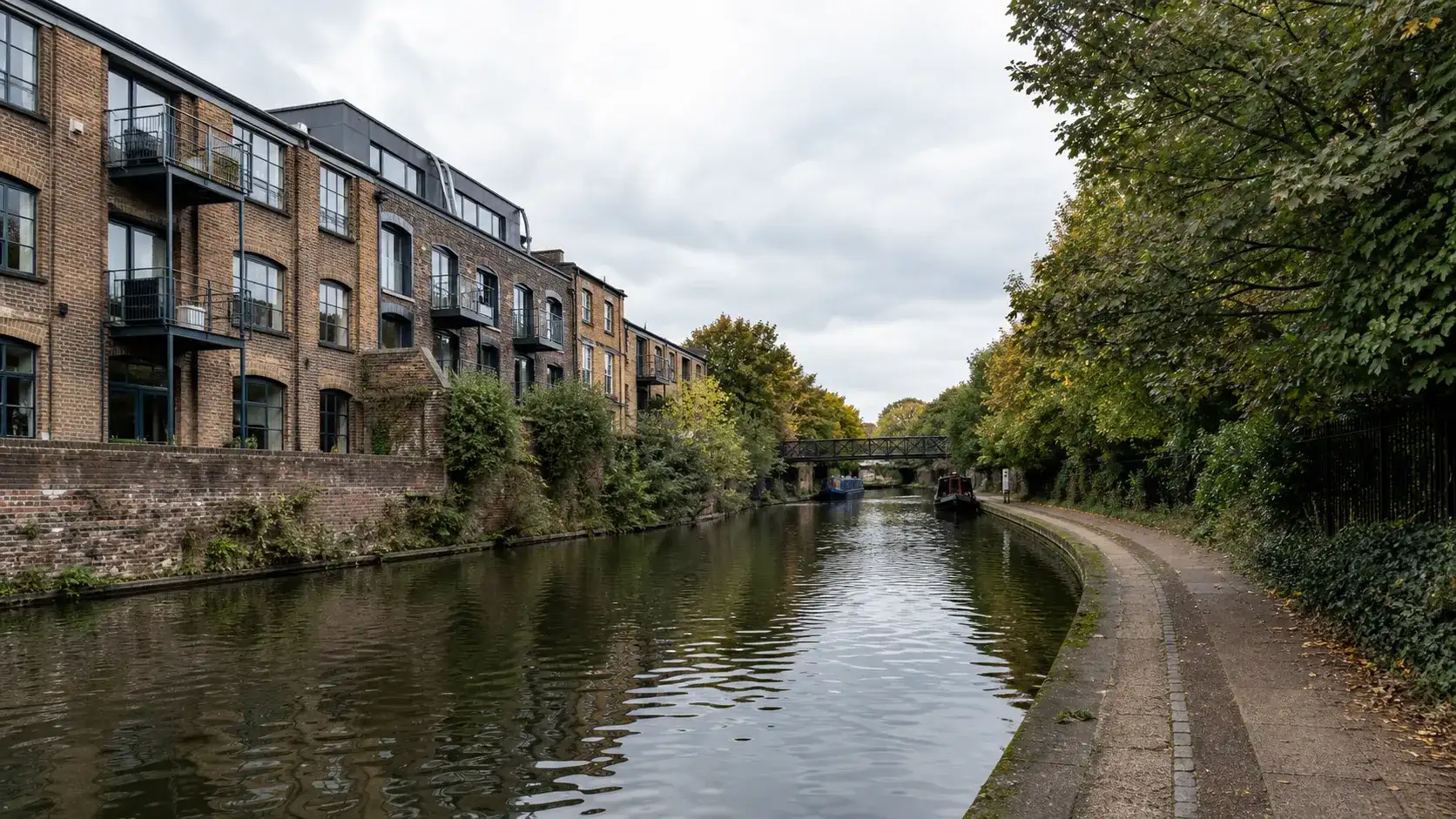

Kentish Town rewards a walk around. Test its high street, Victorian side roads, routes towards the Heath and transport links before you pick a home.
Kentish Town is organised around everyday connections. Its high street provides the practical centre, Victorian side roads lead into residential pockets, and routes extend towards Camden Town, Gospel Oak, Tufnell Park and Hampstead. This gives the neighbourhood a clear identity of its own rather than making it a quieter substitute for somewhere nearby.
The best way to assess a home here is to follow the routine it would create. Use the shops, walk towards the green space you value and test the journey from the front door. Those ordinary trips reveal more than a general description of the postcode.
What is Kentish Town like to live in?
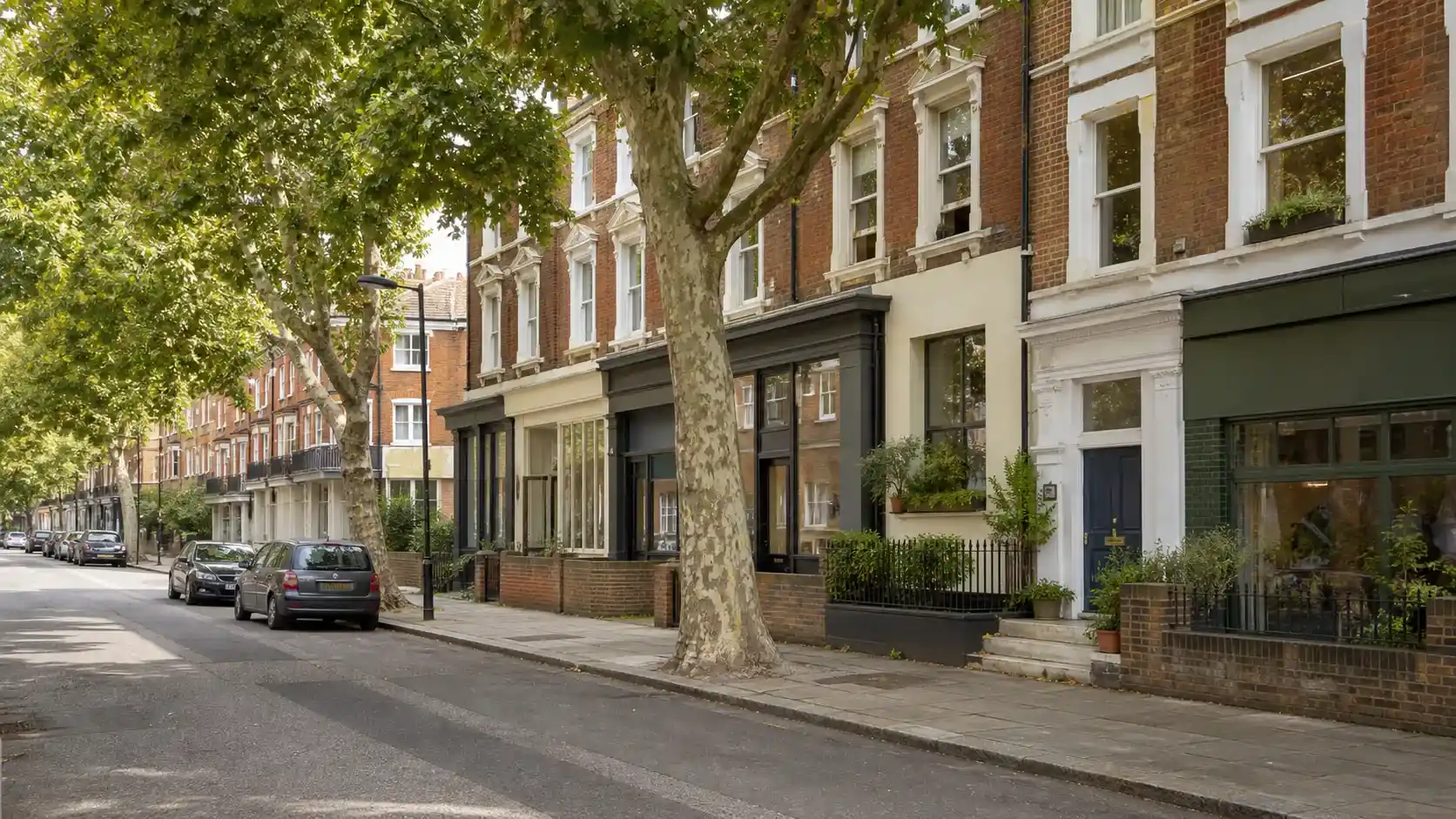
Camden’s character study describes Kentish Town Road as the main high street and records a connected network of Victorian streets to its east. It also notes later development in several pockets. This mix helps explain why one short walk can pass terraces, flats and newer buildings without losing the sense of a connected neighbourhood.
Look at how the proposed address relates to that centre. Some homes sit close to the activity of the main road, while others feel more closely tied to a side street or neighbouring area. Neither is automatically better: the useful question is which setting supports the way you expect to use the neighbourhood.
Kentish Town Road is also the practical spine of the area. It brings together errands, services and transport, while smaller streets lead back towards different residential pockets, so give yourself one ordinary task to test that relationship. Buy essentials, find a useful service or walk to a meeting point, then return to the property. You will quickly see whether the high street feels conveniently close, uncomfortably busy or well balanced for your routine.
Montpelier Gardens and Kentish Town’s routes to the Heath
Montpelier Gardens is one named local green space in Kentish Town. It is useful as a small part of a local routine, while routes north and west can lead towards the wider Hampstead Heath and Parliament Hill Fields landscape. The exact walk will depend on the address, so test it rather than assuming every part of Kentish Town has the same relationship with the Heath.
The City of London publishes current Hampstead Heath walks and trails, including the Parliament Hill and Tumulus trail. Use that live source for routes and conditions instead of relying on an old map. Walking the route from a prospective home gives a clearer sense of crossings, gradients and how a green-space visit would fit an ordinary week.
Local groups, libraries and history in Kentish Town
Kentish Town has a long local history. Camden records its early development along the main road and later change through housing and railways. Today, community life is not one fixed offer: it grows from local groups, centres, libraries and activities as well as the shops and streets residents use every day.
If local activities matter to you, start with Camden’s community guidance. It points residents towards current centres, events and projects. This is more useful than assuming a particular venue will always offer the same programme.
Getting around from Kentish Town
The TfL journey planner lets you compare current public-transport, walking and cycling options, along with access preferences. Use the full address and the destinations that matter to you rather than relying on a universal nearest-station claim or fixed commute time.
Kentish Town Road’s role as a main route makes timing important. Test at least one journey when you would normally make it. A route that works for a specific work, school or family pattern matters more than a broad claim that the area is well connected.
Kentish Town homes, from Victorian terraces to newer blocks
The area’s housing includes Victorian terraces, later development and different building scales. A handsome frontage does not tell you how the property works. Check the entrance, stairs or lift, storage and room layout, along with the route from the street to the front door.
The Kentish Town Conservation Area appraisal informs Camden’s assessment of planning applications within that conservation area, but not every property has the same designation or constraints. If future alterations matter to your decision, confirm the current position with the council and appropriate professional advisers.
Plan the practical side of moving to Kentish Town
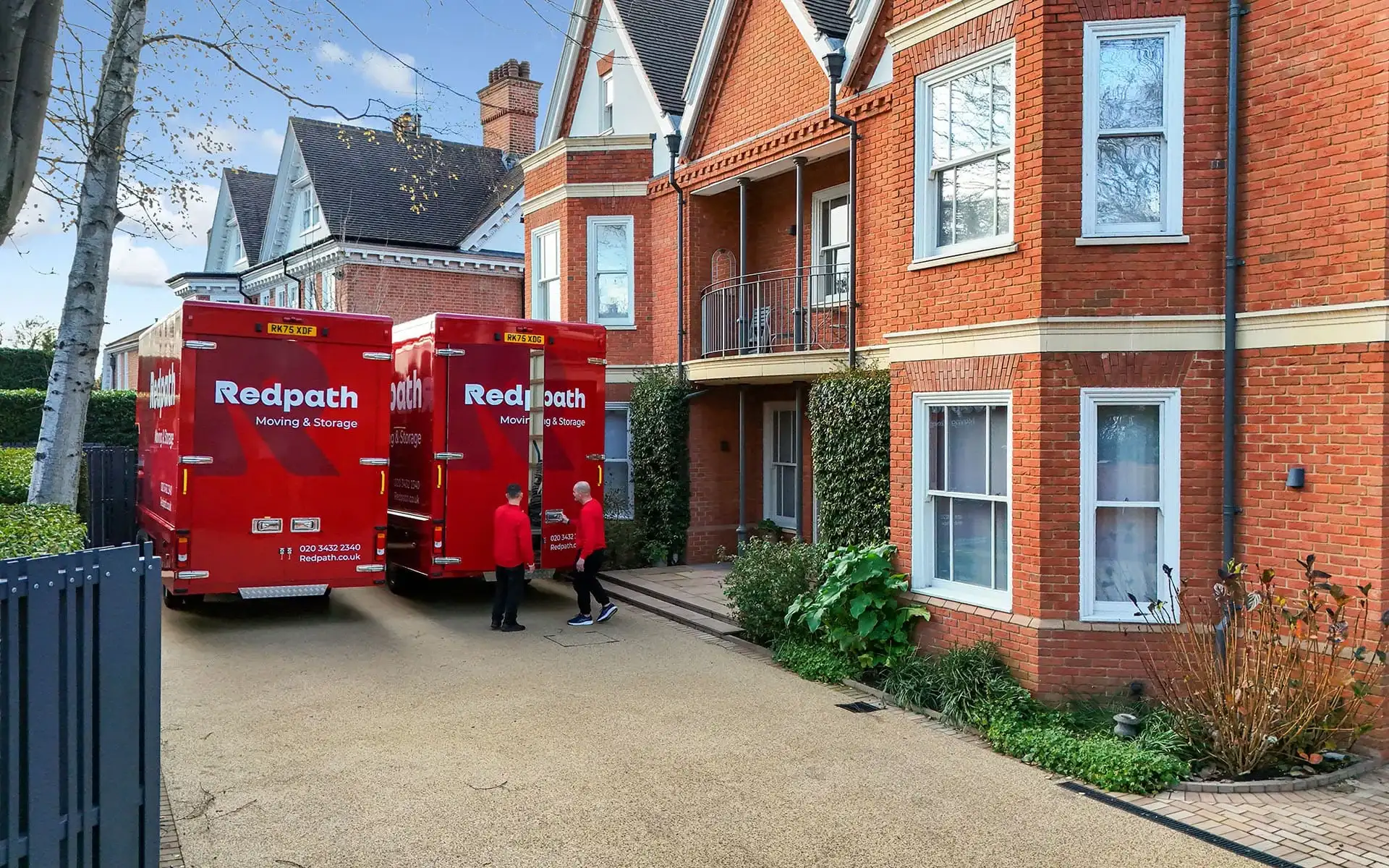
Once you choose a property, a removals survey should cover both homes, access, larger or fragile items and your likely date. Confirm current street arrangements with Camden and ask the building manager about shared entrances, lifts or moving windows where relevant. For local service information, see removals in Kentish Town.
A packing service can cover the rooms or belongings that need careful preparation. Household storage can bridge a genuine gap between dates. Match the house removals service to the belongings, property and access. A clear fixed quote can then reflect the team, preparation and any storage required.
Kentish Town is easiest to understand through a real routine: the high street, the side streets, a green route and the journeys you will repeat. Once those work for you, plan the move around the property and access you have chosen.